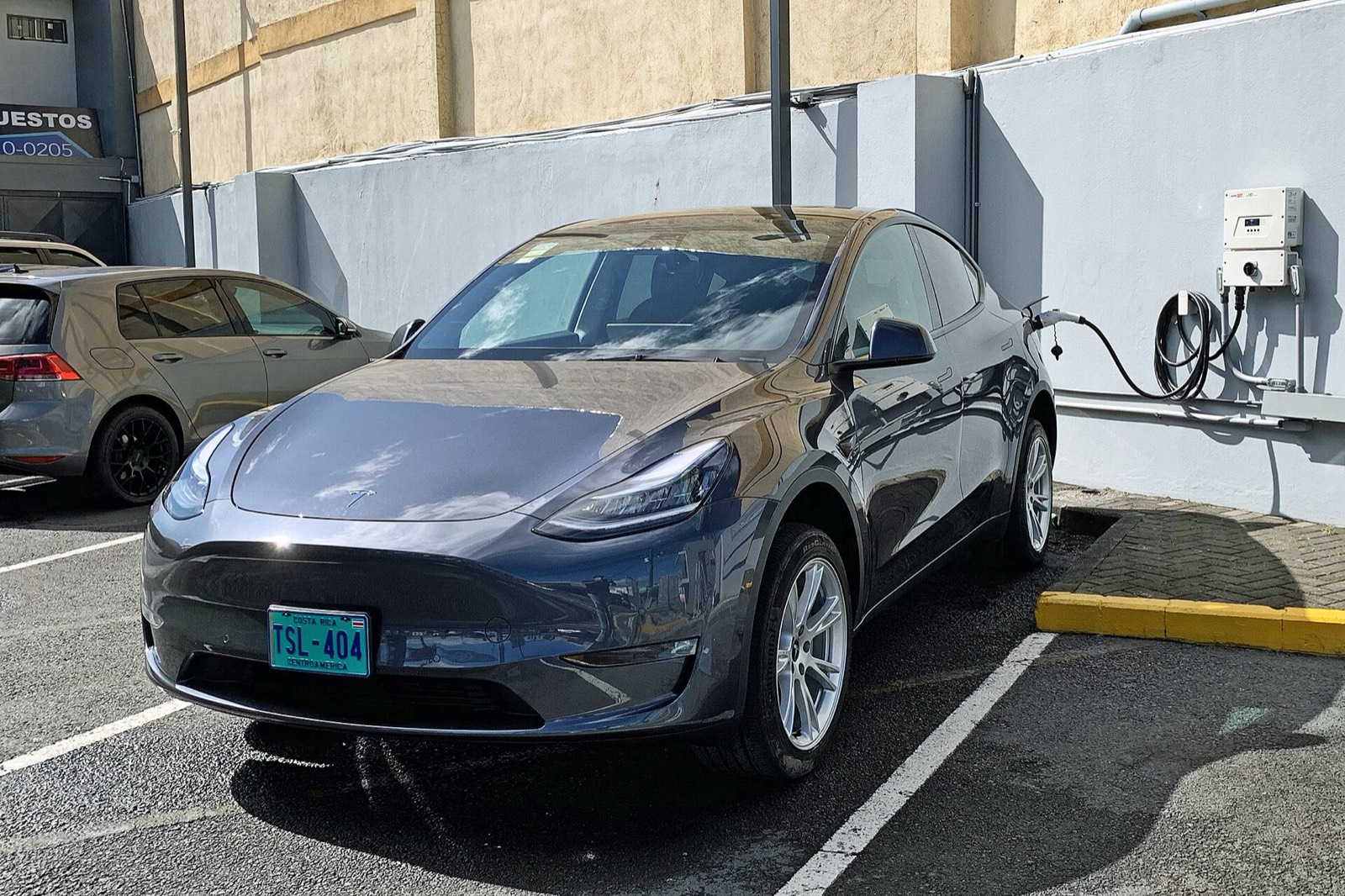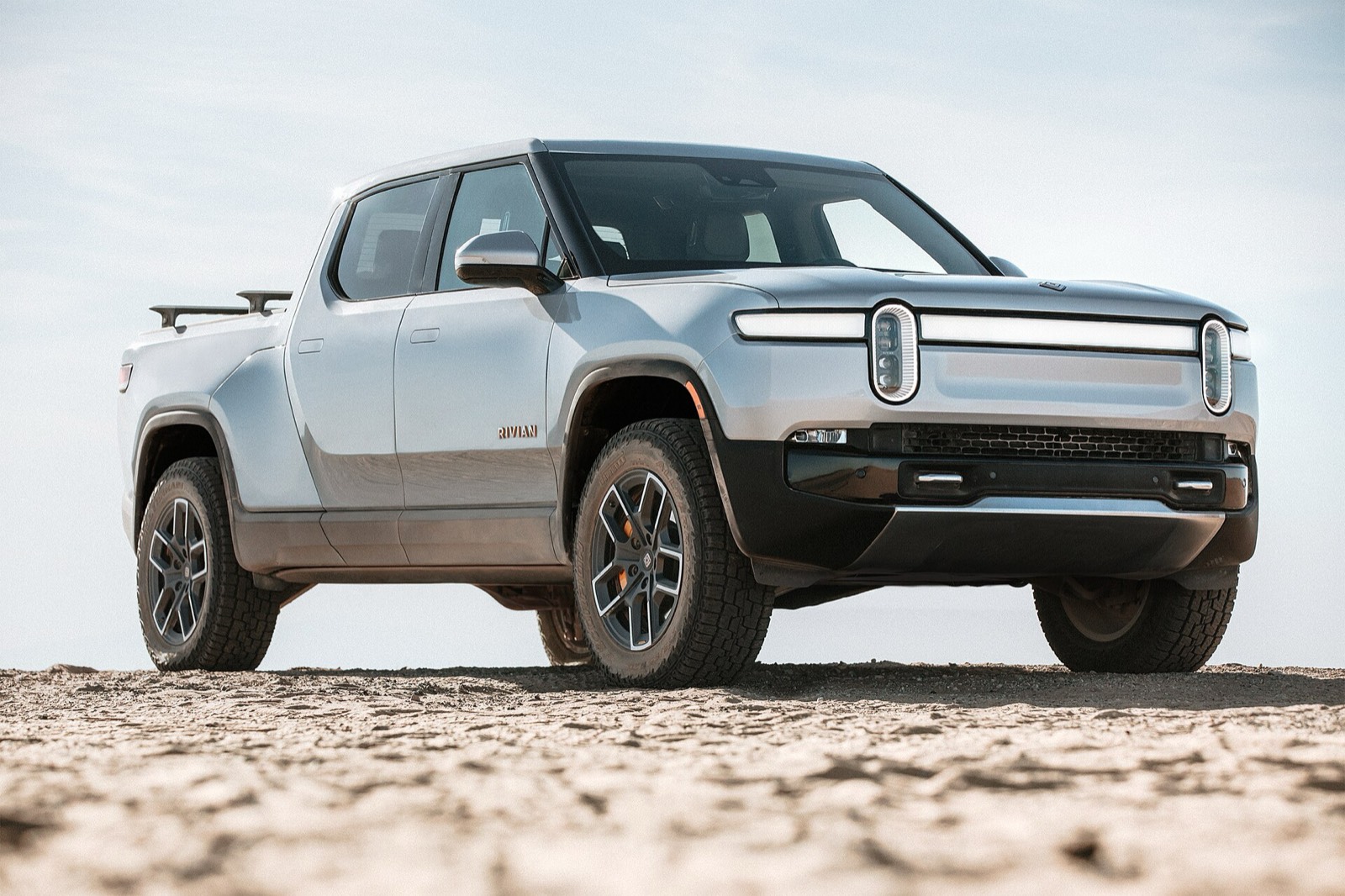
Every new EV owner faces the same question: can I just plug into a regular outlet? Technically, yes. Practically, most drivers quickly find it isn't enough — especially with a larger vehicle like a Rivian R1T or R1S.
Level 1: the standard 120V outlet
Level 1 charging uses an ordinary household outlet. It typically adds only a few miles of range per hour, which may be fine for very short commutes but can't keep up with a long drive or a weekend trip up the coast.
Level 2: 240V home charging
Level 2 uses a dedicated 240V circuit — the same kind of power a dryer or range uses. Depending on the charger and your vehicle, it can add many times more range per hour than Level 1, so you wake up to a full battery every morning.
- Tesla owners: the Tesla Wall Connector or Universal Wall Connector is the cleanest option.
- Rivian owners: the Rivian Wall Charger is built for the R1T and R1S's larger batteries.
- Flexible option: a NEMA 14-50 outlet lets you use a mobile connector and switch vehicles later.
Hardwired charger or 14-50 outlet?
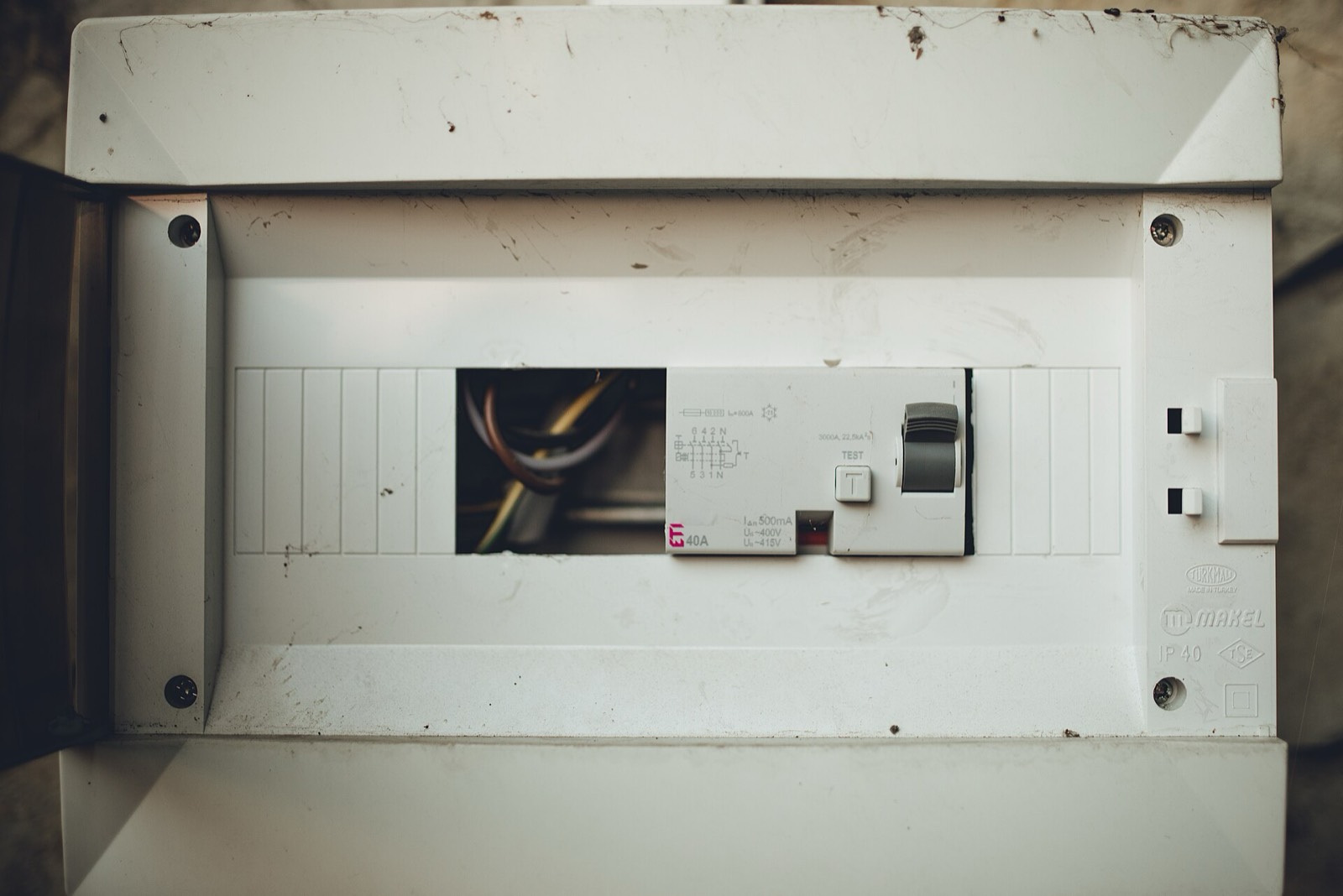
Hardwired chargers usually allow higher charging speeds and avoid wear on an outlet from daily plugging. An outlet is more portable. We'll walk you through the trade-offs for your vehicle and panel.
Two EVs in one garage?
Power sharing lets two chargers split one circuit intelligently, so you can charge both vehicles without necessarily upgrading your service.
Schedule a free estimate or call (619) 555-0147.